
 By Meerab Shaikh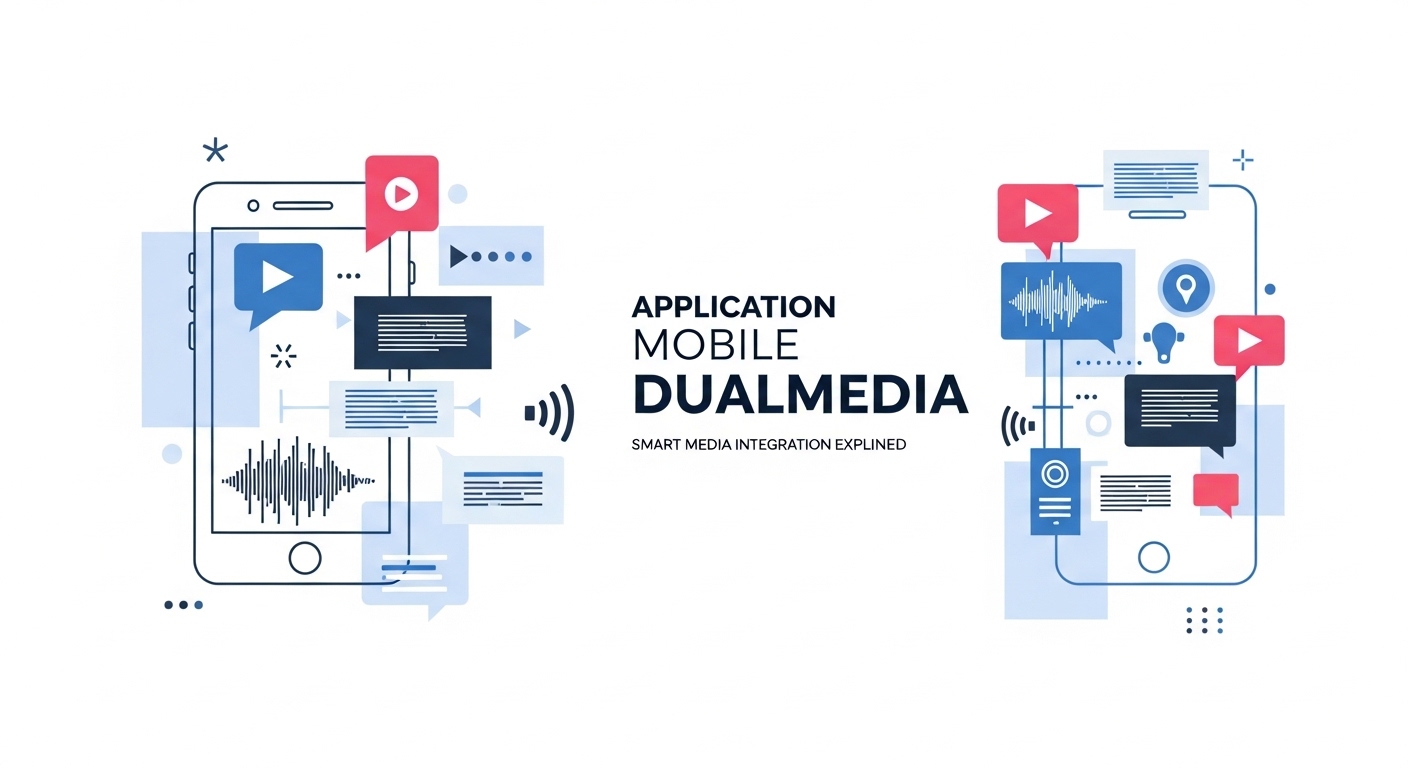
Mobile applications are no longer simple tools designed for a single purpose. Today’s users expect speed, flexibility, personalization, and seamless interaction across different types of content. This is where the concept of application mobile dualmedia becomes truly powerful. By combining multiple media formats and communication channels into one mobile experience, dualmedia applications are changing how people interact, learn, shop, and connect online.
This complete guide is written purely for users who want a clear, practical understanding of application mobile dualmedia. It explains what it is, how it works, why it matters, and where it is used, without technical overload or artificial keyword usage. Everything here focuses on real value, usability, and accuracy.
Understanding Application Mobile Dualmedia
Application mobile dualmedia refers to a mobile application framework that integrates two or more media types into a single interactive experience. These media types can include text, audio, video, images, live streaming, chat systems, and interactive UI components working together seamlessly.
Unlike traditional single-media apps, dualmedia applications allow users to consume content and interact at the same time. For example, a user might watch a video while chatting, browse images while listening to audio, or read content while engaging with interactive elements.
The goal is to reduce friction and increase engagement. By keeping everything inside one application, users do not need to switch between platforms. This approach improves usability, session time, and overall satisfaction, making application mobile dualmedia highly relevant in modern mobile ecosystems.
How Dualmedia Mobile Applications Work
At a functional level, application mobile dualmedia works by combining synchronized content layers. These layers communicate with each other through the app’s interface and backend logic.
For instance, when a user plays a video, related text, reactions, or interactive prompts may appear alongside it. The app intelligently manages bandwidth, performance, and responsiveness to ensure smooth operation across devices.
This system relies on efficient resource management, intuitive UI design, and optimized media handling. The result is a fluid user experience that feels natural rather than overwhelming, even with multiple media formats active at once.
Core Features of Application Mobile Dualmedia
Dualmedia applications share a set of core features designed to enhance user interaction. These features focus on usability, engagement, and adaptability.
Common features include synchronized media playback, interactive overlays, real-time messaging, customizable layouts, and adaptive content delivery. Users can interact with one media format while consuming another without interruption.
The strength of application mobile dualmedia lies in balance. Features are designed to complement each other, ensuring users feel empowered rather than distracted.
User Experience Design in Dualmedia Apps
User experience is critical in application mobile dualmedia. Without thoughtful design, multiple media streams can feel chaotic.
Successful dualmedia apps use clean layouts, clear visual hierarchy, and intuitive navigation. Media elements are placed strategically to guide attention without overwhelming the screen.
Design decisions focus on accessibility, responsiveness, and ease of interaction, ensuring the app remains enjoyable for both casual and advanced users.
Performance Optimization and Responsiveness
Running multiple media formats simultaneously can strain device resources. Application mobile dualmedia addresses this challenge through optimization techniques.
These include adaptive streaming, smart caching, background resource management, and performance scaling based on device capability. The app adjusts quality and load dynamically to maintain smooth performance.
This ensures consistent usability across low-end and high-end devices, making dualmedia apps accessible to a wide audience.
Security and Data Privacy Considerations
Security plays a vital role in application mobile dualmedia, especially when user interaction and content sharing are involved.
Applications implement encrypted data transmission, secure authentication, and permission-based access controls. Media uploads, messages, and user data are protected to prevent misuse.
Strong privacy practices build trust, which is essential for long-term user adoption and engagement.
Use Cases of Application Mobile Dualmedia
Application mobile dualmedia is used across multiple industries due to its flexibility.
Common use cases include social networking, online learning, live events, customer support, and digital marketing. In each case, dualmedia improves interaction and information delivery.
By combining media formats, apps create richer, more immersive experiences that traditional apps cannot match.
Educational Applications of Dualmedia
In education, application mobile dualmedia supports blended learning models. Students can watch lessons, read notes, and interact with instructors in one place.
This improves retention and engagement while accommodating different learning styles. Interactive quizzes, discussion panels, and multimedia lessons coexist seamlessly.
Dualmedia education apps empower learners to control how they consume information.
Business and Marketing Benefits
For businesses, application mobile dualmedia enhances customer engagement and brand storytelling.
Marketing campaigns can combine video demonstrations, interactive polls, and live chats within a single app. This reduces bounce rates and increases conversion potential.
Businesses gain deeper insights into user behavior through multi-layer engagement tracking.
Social Interaction and Community Building
Social platforms benefit significantly from application mobile dualmedia. Users can watch, comment, react, and share in real time.
This layered interaction fosters stronger community connections and longer session times. Users feel involved rather than passive.
Dualmedia social apps encourage participation and shared experiences.
Monetization Strategies in Dualmedia Apps
Monetization in application mobile dualmedia can be flexible and user-friendly.
Common approaches include in-app purchases, premium content access, subscriptions, and interactive advertising. Because engagement is higher, monetization feels less intrusive.
Balanced monetization respects user experience while supporting sustainable app growth.
Cross-Platform Compatibility
Modern application mobile dualmedia is designed to work across platforms and devices.
Responsive layouts and adaptive media ensure consistency on smartphones and tablets. Cross-platform compatibility reduces development overhead and expands reach.
Users benefit from seamless access regardless of device choice.
Scalability and Future Growth
Scalability is a key advantage of application mobile dualmedia. Modular design allows new features and media types to be added over time.
As user needs evolve, apps can adapt without major redesigns. This future-proof approach supports long-term success.
Scalable systems ensure performance remains stable as user bases grow.
Challenges and Limitations
Despite its benefits, application mobile dualmedia presents challenges. Development complexity, performance tuning, and content moderation require careful planning.
Overloading users with too many features can reduce usability. Successful apps prioritize clarity and purpose.
Recognizing limitations helps developers and users set realistic expectations.
Why Application Mobile Dualmedia Matters Today
Application mobile dualmedia matters because users demand richer, more interactive experiences.
It reflects how people naturally consume information, combining visuals, sound, and interaction. Apps that adopt this approach remain competitive and relevant.
Dualmedia represents the future of mobile engagement.
Dualmedia App Feature Comparison Table
| Feature | Single Media App | Dualmedia App |
|---|---|---|
| User Engagement | Moderate | High |
| Interaction | Limited | Multi-layer |
| Content Delivery | Static | Dynamic |
Common Dualmedia Use Case Table
| Industry | Example Use |
|---|---|
| Education | Video + chat |
| Marketing | Media + interaction |
| Social | Live content + messaging |
Key Benefits of Application Mobile Dualmedia
- Enhanced engagement
- Improved usability
- Flexible content delivery
These benefits drive adoption across industries.
Conclusion
Application mobile dualmedia represents a major shift in mobile app design and user expectations. By combining multiple media formats into a single, cohesive experience, it delivers richer interaction, better engagement, and long-term value.
For users, it means more control and enjoyment. For businesses and educators, it means deeper connection and effectiveness. Dualmedia is not a trend; it is an evolution.
FAQs
What is application mobile dualmedia?
It is a mobile app approach that combines multiple media types into one experience.
Is dualmedia suitable for all apps?
It works best for apps focused on engagement and interaction.
Does dualmedia affect performance?
With proper optimization, performance remains smooth.
Are dualmedia apps secure?
Yes, when built with modern security standards.
Is dualmedia the future of mobile apps?
Yes, it aligns with modern user behavior and expectations.
 Sky link building
  admin
admin