
 By Sky link building
If you plan to install wood flooring over concrete, there are certain things you should know before starting your project. Concrete presents special challenges that must be addressed if your flooring is to last. Whether you choose to install your flooring yourself or hire a professional, take the time to learn the proper preparation and installation techniques.
Why Concrete Needs Special Consideration
Concrete floors hold moisture and react to temperature shifts by expanding or contracting, making them less forgiving than a wooden subfloor. Neglecting to prepare your concrete floor can result in warped floors, buckling, and gaps between boards. Choosing the right installation method is essential for a beautiful, long-lasting floor.
Types of Wood Flooring on Concrete
1. Installing Wood Flooring on Concrete – Standard hardwood floors can be installed using a moisture barrier and proper underlayment. Floating floors are often preferred over concrete to allow for natural movement.
2. Installing Wood Tile Flooring on Concrete – Wood-look tile offers the beauty of wood with the durability and water resistance of ceramic or porcelain. This method avoids many moisture-related issues common with real wood.
3. Installing Reclaimed Wood Flooring on Concrete – Reclaimed wood adds character and sustainability. Careful acclimation and moisture protection are crucial to prevent expansion and contraction problems.
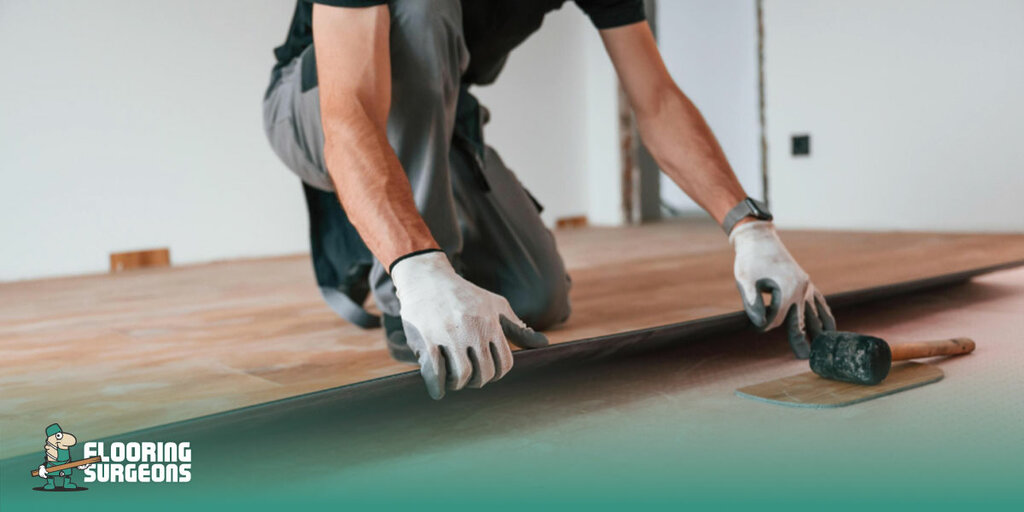
Step-by-Step Guide: How to Lay Wood Flooring on a Concrete Floor
Step 1: Prepare the Concrete – Clean the surface thoroughly, repair any cracks, and ensure the floor is level. Moisture testing is critical before proceeding.
Step 2: Install a Vapour Barrier – Lay a high-quality vapour barrier to prevent moisture from seeping into the wood.
Step 3: Add Underlayment – Depending on your flooring type, a cork or foam underlayment can help with soundproofing and comfort.
Step 4: Lay the Wood Flooring – Follow manufacturer instructions for glue-down, floating, or nail-down methods. Ensure proper spacing for expansion.
Step 5: Finish and Seal – Apply finishes or sealants if required, especially for reclaimed wood, to protect against moisture and wear.
For professional advice and custom solutions, visit (https://www.flooringsurgeons.co.uk) for guidance on the best installation methods and materials for your concrete floors.
Quick Comparison Table of Installation Methods
| Flooring Type | Recommended Method | Pros | Cons |
| Hardwood | Floating or glue-down | Natural look, durable | Sensitive to moisture |
| Wood Tile | Direct tile installation | Water-resistant, low maintenance | Heavier installation |
| Reclaimed Wood | Glue-down with underlayment | Sustainable, unique character | Needs careful moisture prep |
| Engineered Wood | Floating or glue-down | More stable than solid wood | Limited refinishing options |
Common Mistakes to Avoid
· Ignoring moisture testing
· Skipping vapour barriers
· Installing on uneven or cracked concrete
· Failing to acclimate wood before installation
Proper preparation ensures your flooring looks beautiful and performs well for years to come.
Installing wood flooring on concrete needs proper planning, moisture protection, and the right flooring type. Following expert guidelines ensures a durable, stylish, and comfortable finish.
 Umhaqa
  Blitz
Blitz