
 By SkyBloomIT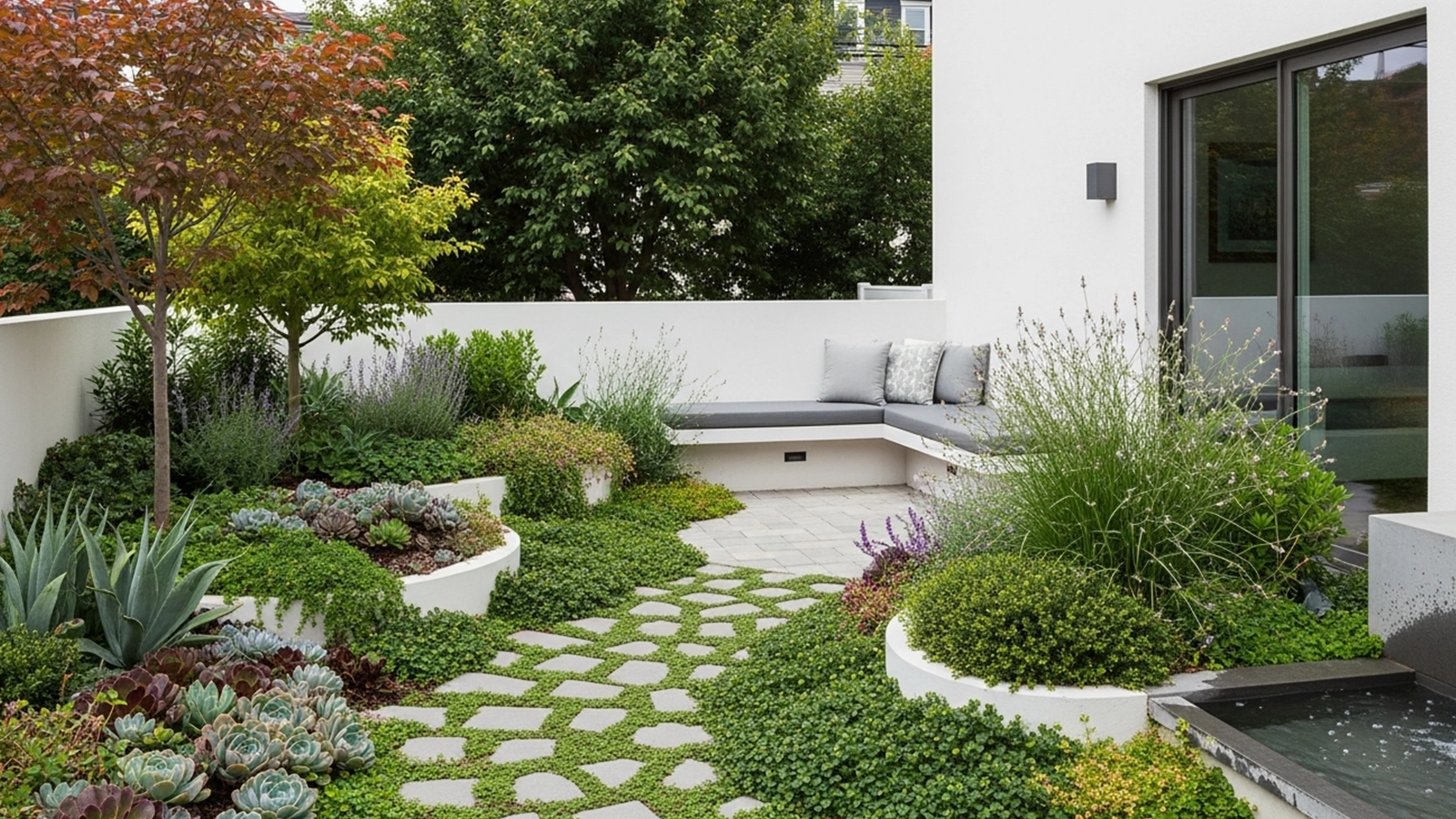
Congratulations—you’ve finally bought that house you’ve been eyeing for months. So, naturally, you step outside, size up your small, intimate garden, and start dreaming about relaxing evenings.
But before you buy fancy furniture and tall plants, you need to take a closer look at your space. One oversized shrub or a single misplaced chair, and you can end up navigating an obstacle course just to hang out your washing.
Here are some challenges that come with smaller gardens and how you can plan around them.
Limited Space
In a large garden, you can easily afford a few decorative dead ends. A corner that doesn’t quite work or a feature that looked brilliant in the catalogue but feels out of place in reality isn’t the end of the world.
But when your entire plot could comfortably fit inside a standard living room, you have to make every single square metre count.
Before you buy anything, think about how you’ll use your garden. Do you want a corner to read, a spot to host barbecues, or a little patch to grow your own vegetables?
Trying to cram all three into a 4×5-metre plot without a clear priority is how you end up with a space that does nothing particularly well.
To fix this, try zoning your space, designating different areas for sitting, growing plants, and walking. This tricks the eye and makes the space feel much larger than it actually is.
Sunlight Challenges
Once you know how you want to use the space, you need to study how the light moves across your garden. And you should do this before you run to the garden centre or buy a single paving slab.
Because small gardens are usually boxed in by high fences, brick walls, or the neighbours’ extensions, the sun moves across them in unpredictable ways. That sweet spot where you enjoy your morning coffee might turn into a dark, damp cave by the afternoon.
If you don’t track this, you can end up putting sun-loving lavender in a corner that gets 40 minutes of sunlight on a good day.
So, try spending a Saturday just watching where the light hits at different times of day. It sounds a bit tedious, but it’ll save you from watching your expensive new plants slowly give up on life.
Restricted Movement
Now that you know where the sun shines, you can start plotting out your layout, specifically how you and your guests will move through the space.
You want wide, clear pathways that make your garden easy to navigate. If your paths are too narrow, or if you’ve crammed a massive table right in the main walkway, you’ll feel frustrated every time you try to carry a tray of drinks outside.
As a rule of thumb, keep your main pathways at least 90 cm wide so you can walk comfortably without having to shimmy sideways.
You should consider your seating setup, too. You might love how a patio set looks in a massive, open showroom, but you’ll feel like you’re sitting in detention if you shove it right against a blank fence.
So, think about what you’ll be looking at when you sit down instead of just cramming furniture into the first empty corner you can find.
Cluttered Layouts
You may be tempted to fill every single gap with a plant or an ornament. But if you throw too many colours, materials, and quirky decorations into a tight space, it can end up looking chaotic.
To avoid this, stick to a limited palette. If you pick two or three coordinating colours and just one or two landscaping materials, you’ll create a stylish, cohesive look.
This rule applies to your pots and furniture, too. If you mix terracotta, plastic, metal, and wicker in a space the size of a parking spot, it’ll all become too much for your eyes to process.
Instead, choose one main material and stick with it. This way, your garden will look beautifully curated rather than assembled from whatever happened to be on clearance at B&Q.
Overgrown Plants
With your layout sorted and your style scheme in mind, you can finally dive into the fun part: your plants. But since you have limited space, you need to think carefully about scale and growth rates before you commit to anything.
Some specimens grow too fast, and that perfectly proportioned shrub you bought at the garden centre can easily turn into a space-hog before the summer is over. In a tight space, one overly enthusiastic plant can block light, swallow your paths, and choke out its neighbours.
You can save yourself a lot of aggressive pruning later by choosing slow-growing or naturally compact varieties.
UK native plants are a brilliant starting point because they love our weather. Dwarf lavender, compact ornamental grasses, or smaller varieties of hydrangea will give you plenty of beautiful structure without demanding half your space in return.
And if you have your heart set on a bigger specimen, just train it to grow vertically. You can add height and interest by growing climbing plants on a trellis or fence.
Drainage Issues
Drainage is the final piece of the puzzle that you probably won’t think about until you’re standing ankle-deep in a muddy puddle in November. And let’s face it, ripping up a brand-new patio to fix a soggy lawn is a nightmare you definitely want to avoid.
To make matters worse, if your garden sits on heavy clay, which is incredibly common across the UK, rainwater can sit on the surface for days.
Want to improve your drainage? Add sharp grit or organic matter to your planting beds to help the soil breathe. For your paved areas, just make sure there’s a slight slope away from your house toward a drain or a flowerbed so the water has somewhere to go.
Also, you can look into permeable paving if you’re starting your landscaping from scratch. It allows rainwater to sink straight through the surface instead of running off it, which cuts down on pooling.
When it comes to drainage problems, bringing in an expert is usually the best option. If you’re looking for experienced gardeners, Clapham has plenty of professional companies that can help you fix these issues and skip that expensive trial-and-error stage.
Conclusion
You don’t have to downsize your vision of a perfect evening outside just because your garden is small. Sure, it may take some manoeuvring to avoid trapping your guests behind a giant hydrangea, but the payoff is worth it.
So, grab your tape measure, embrace the challenge, and get ready to live out that alfresco dream.
 admin
admin  Umhaqa