
 By Meerab Shaikh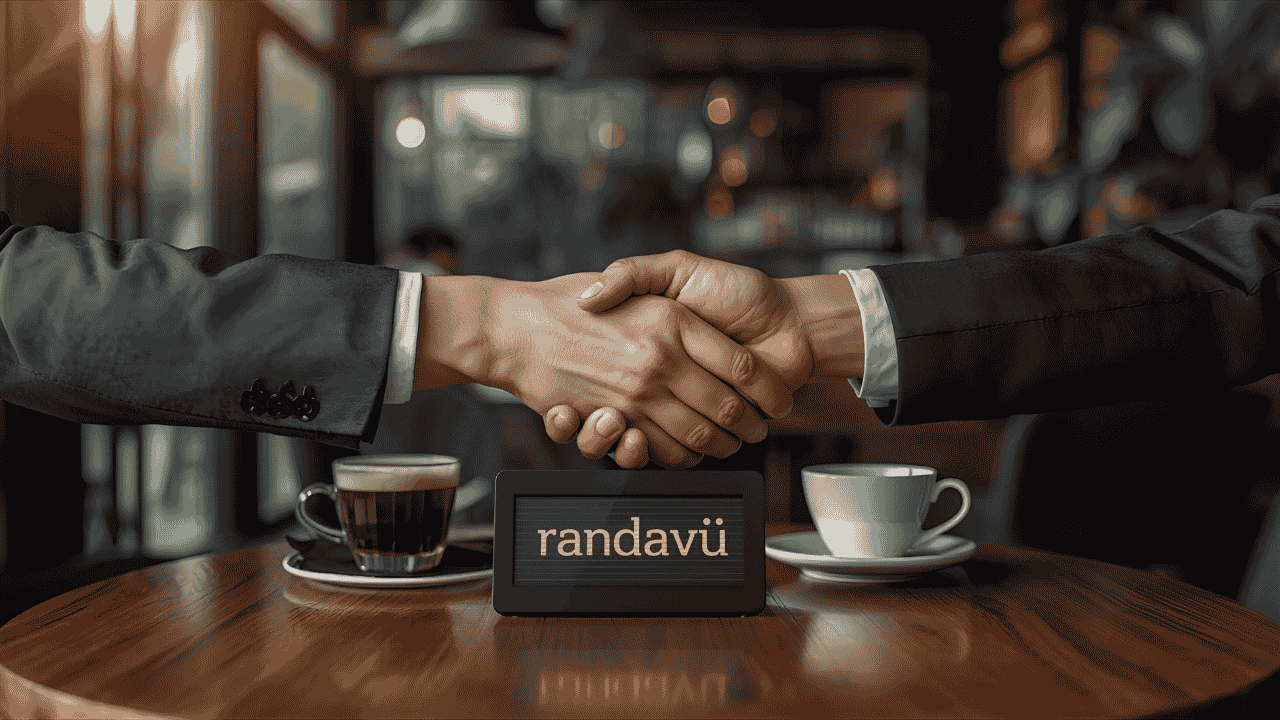
The word randavü is a common term that holds both cultural and practical value. Originating from the French word “rendezvous,” it is widely used in Turkish to mean an appointment or meeting. Whether in a personal or professional context, randavü represents much more than simply scheduling time; it reflects respect, punctuality, and commitment. Understanding this concept can help us see how different cultures value time and relationships.
1. The Basic Meaning of Randavü
At its simplest, randavü refers to an appointment. It may involve a business meeting, a doctor’s visit, a date with a friend, or even a formal event. What makes it stand out is the cultural depth it carries. Unlike casual meetups, a randavü emphasizes keeping one’s word, arriving on time, and respecting the other person’s time. This makes it a cornerstone of how trust and mutual respect are built in society.
2. Randavü in Turkish Culture
In Turkey, randavü is not just a neutral word; it is tied closely to traditions and social values. When someone schedules a randavü, it shows intention, seriousness, and courtesy. Hospitality plays a major role too. For instance, a randavü at a café or a home often comes with warm conversation over tea or coffee, turning the meeting into a deeper social bond. This reflects how strongly social encounters are connected with respect in Turkish life.
3. Professional Importance of Randavü
The business world heavily relies on randavü. From corporate deals to interviews, setting a specific time demonstrates professionalism. For healthcare services, auto workshops, or government offices, the word randavü is often used to manage schedules and provide structure. Missing a randavü in these cases can harm credibility or cause delays, which highlights how important punctuality is in professional circles.
4. Randavü and Social Relationships
Beyond work, randavü strengthens personal connections. Friends, families, or couples often set aside time for one another, and doing so through a randavü shows care and respect. Even in casual settings, the practice helps maintain trust. Keeping these appointments reflects consistency in relationships, showing that one values the presence and time of others.
5. Randavü Versus Spontaneity
Modern lifestyles often raise the debate between planned randavü and spontaneous meetups. While spontaneity offers excitement and flexibility, planned meetings offer clarity and reliability. Both approaches have their place, but in cultures where randavü is strong, planning is seen as a sign of maturity and responsibility. Finding balance between both allows for both structure and creativity in daily interactions.
6. The Digital Shift of Randavü
Technology has transformed the way randavü works. Today, many people book their randavü online for services such as healthcare, education, or business consultations. Digital platforms allow reminders, virtual meetings, and global scheduling, which saves time and provides convenience. However, some argue that online randavü lacks the personal warmth and hospitality that traditional face-to-face meetings carry.
7. Cross-Cultural Perspectives on Randavü
Appointment culture varies around the world. In some regions, being on time is considered essential, while in others, flexibility is more common. The concept of randavü highlights how Turkish culture treats time as a shared value between people. Comparing it with other countries can reveal interesting differences in how people define respect, punctuality, and hospitality in their social and professional lives.
8. Challenges in Maintaining Randavü
Despite its importance, keeping a randavü can be difficult in today’s busy schedules. Traffic, workload, or personal emergencies often cause delays. While one missed appointment may seem small, repeated disregard can affect trust. This makes communication vital—if someone cannot keep a randavü, informing the other person in advance helps preserve respect and understanding.
9. Making Randavü More Meaningful
A randavü should not just be a time slot. It can be made more meaningful by preparing well, being punctual, and engaging sincerely during the meeting. Adding small gestures like offering tea, starting with a warm greeting, or showing genuine interest in the conversation can make the randavü memorable. These small actions reinforce the cultural essence behind the word.
10. Future of Randavü in a Fast-Paced World
As lifestyles become more digital and global, the practice of randavü continues to evolve. Virtual meetings, automated scheduling, and global time zones reshape how people connect. Yet the underlying principles of respect, punctuality, and trust remain the same. Even as technology advances, the cultural meaning of randavü is unlikely to disappear because it is deeply tied to how people view relationships.
11. Conclusion
Randavü is more than a translation of the word appointment. It carries cultural depth, highlighting values of trust, hospitality, and mutual respect. In both professional and personal life, a randavü represents responsibility and connection. Whether planned in person or scheduled digitally, the practice continues to play an essential role in building relationships and maintaining order in society. By honoring a randavü, we not only respect time but also strengthen bonds of respect and understanding that hold communities together.
Frequently Asked Questions About Randavü
1. What does randavü mean?
Randavü is a Turkish word derived from French, meaning appointment or meeting. It can be used for professional, medical, or social gatherings.
2. Is randavü only used in formal situations?
No, randavü can refer to both formal and informal meetings. It is commonly used for business appointments as well as casual meetups with friends or family.
3. Why is punctuality important in a randavü?
Punctuality shows respect for another person’s time and strengthens trust. Being late to a randavü can be considered impolite or unprofessional.
4. How does randavü affect personal relationships?
Keeping a randavü with friends or loved ones shows care and responsibility. It helps build stronger bonds by setting aside dedicated time for one another.
5. Has technology changed the way randavü works?
Yes, many randavü are now scheduled online through apps or websites. Virtual meetings have become common, but traditional face-to-face meetings still carry cultural warmth and hospitality.
 ENGRNEWSWIRE