
 By Meerab Shaikh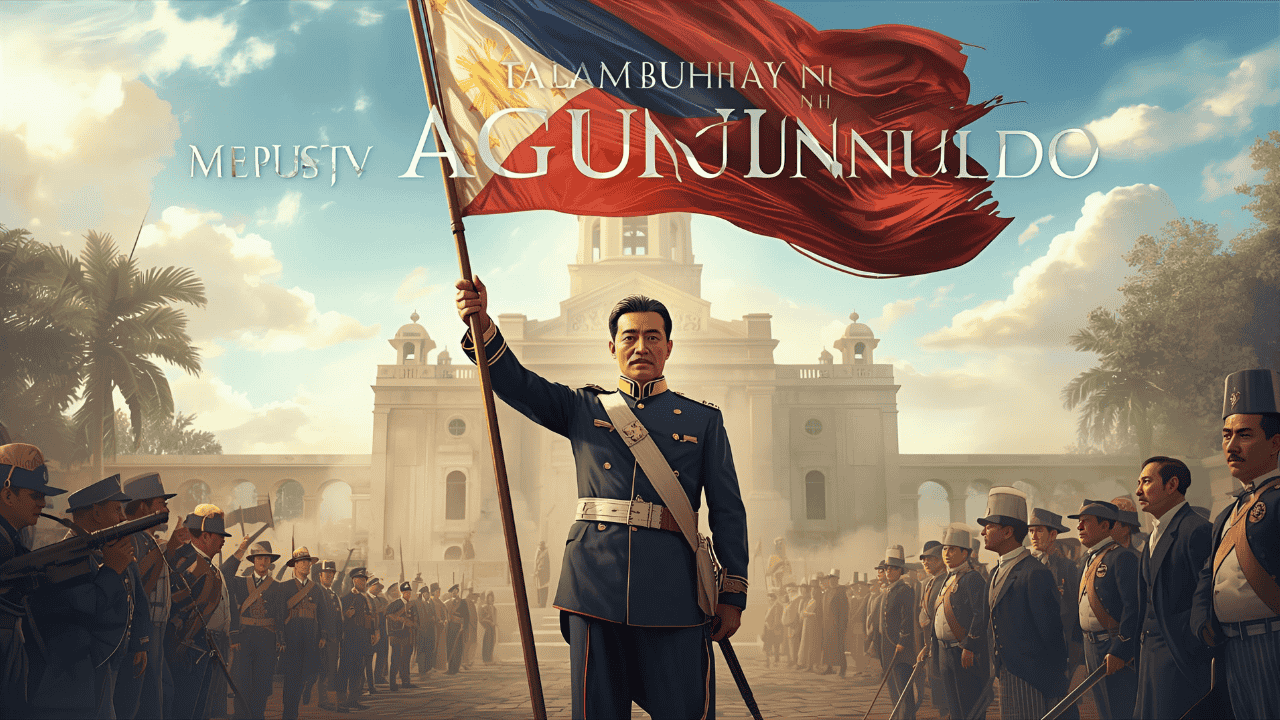
Emilio Aguinaldo is one of the most recognized figures in Philippine history, and the talambuhay ni emilio aguinaldo is filled with achievements, struggles, sacrifices, and controversies. This article will explore his early life, involvement in the revolutionary movement, key events such as the Pact of Biak-na-Bato and the Declaration of Independence, the war against foreign powers, controversies, and the lasting legacy he left behind. The goal of this article is to provide clear, easy-to-read, and informative content for students, history enthusiasts, or anyone interested in learning more about Emilio Aguinaldo.
Brief overview of talambuhay ni emilio aguinaldo
In summary, the talambuhay ni emilio aguinaldo begins with his childhood in Kawit, Cavite, where he was born on March 22, 1869. From a young age, he became active in local governance, serving as a cabeza de barangay and later as capitan municipal. He joined the Katipunan and participated in the early stages of the fight against Spanish colonial rule. His presidency in the revolutionary government and the declaration of Philippine independence on June 12, 1898, marked significant milestones in his life. However, he also faced immense challenges when conflict arose between Filipinos and the new colonizing power, the United States, which led to the Philippine-American War and his eventual capture.
Early life and family
The talambuhay ni emilio aguinaldo cannot be fully understood without looking at his roots. Born into a prominent family in Cavite, Aguinaldo’s upbringing exposed him to leadership responsibilities early on. As a young municipal leader, he learned to negotiate with local officials and organize his community—skills that later helped him lead in revolutionary activities.
Joining the Katipunan and starting the revolution
The talambuhay ni emilio aguinaldo is also a story of struggle. He became an active member of the Katipunan, the secret society fighting against Spanish rule, and quickly rose to prominence as a revolutionary leader in Cavite. His ability to form alliances, develop battle strategies, and lead troops helped solidify his influence, though it also caused tensions within the movement.
Biak-na-Bato and exile in Hong Kong
A defining moment in the talambuhay ni emilio aguinaldo was the Pact of Biak-na-Bato in December 1897. This agreement with the Spanish colonial government temporarily halted hostilities and resulted in Aguinaldo’s exile in Hong Kong alongside other revolutionary leaders in exchange for monetary compensation. This decision remains controversial: some argue it allowed the revolution to regroup and plan, while others saw it as avoiding direct combat.
Return and the Declaration of Independence
Upon returning from Hong Kong in 1898, Aguinaldo resumed leadership of the revolutionary movement. A central event in the talambuhay ni emilio aguinaldo was the Philippine Declaration of Independence on June 12, 1898, held at the Aguinaldo Shrine in Kawit, Cavite. This marked the official assertion of Philippine independence from Spain and the formation of a revolutionary government, which later implemented the Malolos Constitution. This moment is one of the most celebrated in Philippine history.
Philippine-American War and capture
After the Treaty of Paris transferred sovereignty of the Philippines from Spain to the United States, conflict erupted once more. The talambuhay ni emilio aguinaldo includes the difficult battles fought against the Americans. Ultimately, Aguinaldo was captured on March 23, 1901, and was made to swear allegiance to the United States. This marked a turning point in his life and had lasting effects on the revolution’s outcome.
Later years, politics, and public service
After his release and the end of hostilities, Aguinaldo did not return as president. He participated in politics under the colonial and later Commonwealth governments, remained active in organizations supporting revolutionary veterans, and contributed to nation-building efforts. The talambuhay ni emilio aguinaldo shows his continued engagement with public service despite changing political circumstances.
Controversies and historical debates
No discussion of the talambuhay ni emilio aguinaldo is complete without acknowledging controversies. Questions remain regarding his role in the arrest of Andres Bonifacio, the use of funds from Biak-na-Bato, and certain actions during World War II. These debates have shaped historical interpretation, presenting Aguinaldo as both a national hero and a figure of controversy.
Key points in talambuhay ni emilio aguinaldo
- Born on March 22, 1869, in Kawit, Cavite.
- Active in local government before joining the revolution.
- Led the Philippine Declaration of Independence on June 12, 1898.
- Participated in the Biak-na-Bato agreement and went into exile in Hong Kong.
- Captured during the Philippine-American War on March 23, 1901.
- Faced controversies over his actions and leadership within the revolutionary movement.
Relevance of talambuhay ni emilio aguinaldo today
Studying the talambuhay ni emilio aguinaldo helps understand the complexities of leadership, decision-making, and nation-building. His achievements and shortcomings provide valuable lessons for students, historians, and policymakers about how decisions made in one era influence the course of a nation.
Conclusion
The talambuhay ni emilio aguinaldo is a rich narrative spanning from a young local leader to the declaration of Philippine independence and the challenges of foreign occupation. His life was marked by moments of inspiration and difficult decisions that continue to provoke discussion. By studying his story, we gain a broader understanding of how modern Philippines was shaped and why examining both achievements and shortcomings is crucial in understanding history.
Frequently Asked Questions (FAQs)
- What was Emilio Aguinaldo’s most significant contribution?
His most significant contribution was leading the Philippine Declaration of Independence on June 12, 1898, and establishing the revolutionary government. - When was Emilio Aguinaldo born and when did he die?
He was born on March 22, 1869, and passed away on February 6, 1964. - What was the Pact of Biak-na-Bato and why was it important in his life?
It was an agreement in December 1897 that temporarily halted hostilities with Spain and led to his exile in Hong Kong, marking a pivotal moment in the revolution. - Why was Emilio Aguinaldo’s role controversial?
Controversies include his handling of Andres Bonifacio’s arrest, use of revolutionary funds, and decisions during the later years of his life. - How should we view his life today?
His life should be studied with an open mind, recognizing both his accomplishments and mistakes while considering the historical context in which he lived.
 admin
admin  SkyBloomIT
  Umhaqa