
 By Sky link building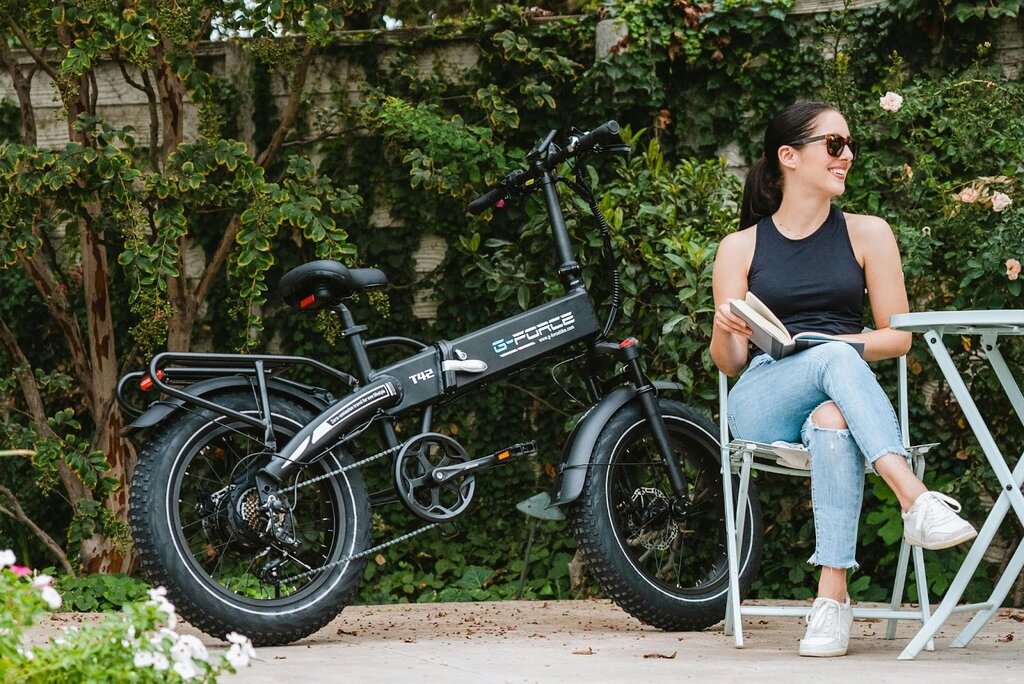
Gridlock doesn’t just slow you down—it drains your wallet and your patience. Add parking fees that rival your lunch budget, unreliable transit schedules, and the anxiety of showing up drenched in sweat, and you’ve got the modern commute crisis. E-bikes entered this chaos, offering something refreshingly straightforward: faster arrivals, significant savings, and legitimate exercise without the punishment.
This piece unpacks the genuine advantages, the frustrations nobody mentions in ads, and what actually happens after riding daily for twelve months. You’ll walk away with a practical framework for deciding whether this works for your specific situation. With those challenges laid out, it’s time to examine what’s driving adoption and who’s seeing real results.
Understanding Electric Bike Commuting: The Complete Picture
E-bike commuting isn’t a universal solution. Your experience shifts dramatically based on distance, local climate, available storage, and street safety conditions.
That said, certain patterns emerge consistently across different environments. The aim here is to ground this conversation in reality rather than aspirational marketing copy.
E-Bike Categories for Daily Commuting
E-bikes arrive in three regulatory classes: Class 1 offers pedal assistance only, Class 2 includes throttle capability, and Class 3 provides faster pedal assist. Flat commutes between three and eight miles typically work beautifully with Class 1. Longer distances or tight schedules might justify Class 3, provided your municipality permits them.Pedal assistance mimics “your best self on a good day.” Throttle mode channels “compact scooter vibes,” which resonates strongly with some riders navigating congested intersections.
Folding designs excel for apartment dwellers and train commuters, while cargo variants can genuinely replace a household’s second vehicle when school runs and errands enter the equation. If you’re wondering, are e bikes good for commuting, understanding your options matters—but the real persuasion happens when you see the eleven concrete advantages of converting skeptics into daily riders.
The Modern E-Bike Commuter Revolution
Data from shared mobility programs reveals why this trend has staying power: “In North America, e-bikes had the highest utilization rate at 3.9 trips per bike per day”. When people choose something repeatedly, it signals genuine utility, not just novelty appeal.Riders using e-bikes for commuting generally fit three profiles: urban dwellers who’ve abandoned car ownership, suburbanites exhausted by traffic patterns, and transit users who blend bike rides with train trips.
Rural commuting works too, though road shoulders, speed regulations, and nighttime visibility become critical factors.Identifying adopter profiles helps, but selecting the appropriate class and design for your route determines whether you’ll actually enjoy the experience.
Benefits of Electric Bike Commuting: 11 Compelling Advantages
The attraction goes beyond speed thrills or tech fascination. The most meaningful improvements typically surface in your monthly budget, daily stress response, and commuting consistency. The benefits of electric bike commuting compound noticeably once the routine becomes sustainable rather than aspirational.
Financial Benefits That Impact Your Bottom Line
Quality commuter e-bikes demand substantial upfront investment, yet operational costs remain remarkably low. Electricity charges barely register, and routine replacements like tires, brake components, and chains won’t devastate your budget.
Across a five-year timeline, e-bikes frequently undercut automobile ownership by several thousand dollars when you account for fuel, parking expenses, routine maintenance, and those surprise repair bills drivers normalize. Certain employers provide commuter benefits, and various jurisdictions offer purchase rebates or tax incentives—research local opportunities before committing to a purchase.Financial wins matter enormously, but e-bike commuting simultaneously delivers health improvements that traditional transportation simply cannot replicate.
Health and Fitness Advantages Without the Burnout
E-bikes still demand pedaling effort on virtually all models, which is precisely the appeal. You control exertion levels based on daily energy, which dramatically improves adherence rates.Riders frequently cite the “professional presentation” factor.
Moderate assistance prevents the full workout intensity, particularly when wearing office attire. Mental health benefits deserve recognition, too: outdoor exposure, schedule reliability, and freedom from road rage. It might sound overly optimistic, but starting your day calmly fundamentally shifts your outlook.Personal wellness matters deeply, yet your daily ride simultaneously generates measurable environmental improvements for everyone.
Environmental Impact: Your Carbon Footprint Reduction
Replacing car miles with bicycle miles ranks among the cleanest individual choices available. E-bikes consume minimal electricity, and even accounting for battery manufacturing, the environmental footprint typically runs substantially lower than that of daily gasoline vehicle operation.They simultaneously reduce local air pollutants in populated areas, which matters tremendously for residents near high-traffic corridors.
Electric automobiles help, certainly, but e-bikes require fewer raw materials and occupy far less urban space, which cities desperately need back.Environmental consciousness matters, but most commuters ultimately commit because they’re reaching work faster than sitting in traffic ever allowed.
Time Efficiency in Urban Environments
On typical city routes, automobiles lose to bicycles once you factor in signal timing, congestion patterns, and parking searches. Dedicated bike infrastructure transforms chaotic driving into predictable transit.An underappreciated advantage: parking happens instantly. That alone reclaims several minutes from both ends of your workday. Combined transit approaches can be remarkably efficient too, especially when folding e-bikes eliminate slow walks from stations. Time savings prove compelling, but e-bikes also eliminate the physical barriers that make conventional cycling impossible for many workers.
Extended Range and Reduced Physical Barriers
This addresses the biggest objection for reluctant riders. Steep grades, strong headwinds, and fitness concerns stop being automatic disqualifiers. With motor assistance, ten to twenty-mile commutes become accessible for broader populations, more consistently.It also manages daily variability. When fatigue, soreness, or time pressure hits, you amplify motor support and still arrive feeling functional rather than destroyed. Enhanced range unlocks something even more valuable: complete liberation from transit timetables and parking frustrations.
Flexibility, Independence, and Year-Round Potential
E-bikes ignore bus delays entirely. You depart on your schedule, choose your preferred route, and incorporate errands without derailing your timeline. With appropriate equipment, rain becomes manageable, and cold weather works too—though batteries definitely lose capacity in winter.Year-round success typically requires preparation: fenders, powerful lighting, insulated gloves, and backup plans for icy conditions. It’s not about being extreme; it’s about being pragmatic.These advantages paint an appealing picture, yet honesty demands acknowledging the legitimate challenges you’ll encounter regularly.
Electric Bike Commuting Pros and Cons: The Honest Drawbacks
Every commuting method involves compromises. With e-bikes, the motor helps tremendously, but it simultaneously adds expense, weight, and additional concerns. Examining electric bike commuting pros and cons honestly prevents that initial enthusiasm from souring into buyer’s remorse.
Initial Investment and Battery Management Challenges
Price shock hits hard: quality models typically range from $1,000 to over $5,000. Financing options reduce immediate impact, and direct-to-consumer brands sometimes lower entry costs, but substantial payment remains unavoidable.
Battery anxiety becomes a persistent mental burden. Range fluctuates with rider weight, wind resistance, elevation changes, tire inflation, and assistance settings. Apartment residents face charging complications, and cold temperatures reliably reduce capacity. Battery replacement after several years costs significantly, so factor this into your calculations.After clearing the purchase hurdle, your next persistent concern involves managing the component that powers everything: that lithium battery.
Security, Weather, and Maintenance Reality
E-bikes attract theft because resale markets thrive. Quality U-locks plus secondary cables help substantially, and indoor workplace storage proves ideal. Some riders install GPS trackers for recovery capability.
Weather exposure presents another challenge. Rain functions fine with appropriate components, but heavy snow and ice become dangerous without specialized tires and handling skills. Maintenance also becomes slightly more specialized than standard bicycles, so locating shops familiar with your brand matters considerably.Maintenance represents predictable budgetable expenses, but the physical mass of e-bikes creates practical daily complications.
Weight, Portability, and Legal Limitations
Most commuter models weigh fifty to seventy pounds, which becomes problematic with stairways or cramped storage. Flat tires also become considerably more frustrating when the bike weighs this much, and you’re running late.Regulations vary dramatically by jurisdiction, particularly regarding Class 3 speeds and throttle permissions. Infrastructure quality matters enormously: excellent bike lanes make e-bikes feel effortless, while high-speed roads without shoulders make them feel genuinely risky.
Statistics and disadvantages tell partial stories, but nothing compares to observing how these factors manifest across an actual year of daily commuting.
Real-World Experience: 12-Month E-Bike Commuting Analysis
A full year of commuting typically follows predictable stages: initial enthusiasm, practical modifications, then an extended period where habits either solidify or dissolve. Specific details depend on weather patterns, route safety characteristics, and mechanical reliability. Here’s what commonly emerges.
Week 1–4: The Adjustment Period
The opening month involves extensive experimentation. Riders test alternative routes, determine actual assistance needs, and identify stress-free parking locations. This phase also triggers accessory purchases—lighting systems, superior locks, perhaps racks or panniers. Minor comfort improvements frequently separate “occasional use” from “nearly daily routine.”Following the initial learning phase, most commuters discover their sustainable rhythm as seasonal transitions test genuine commitment levels.
Month 2–6: Finding Your Rhythm
Financial patterns crystallize during this window. Commutes become reliable, and many riders notice improved workplace arrival moods. Exertion levels shift from intimidating to adjustable.E-bike momentum is expanding broadly, too: “E-bike ridership saw substantial growth, increasing by 62% compared to 2023″.
Growing ridership can translate to better social acceptance—and occasionally improved infrastructure advocacy, too. As sustainable patterns develop, the second half reveals whether e-bike commuting genuinely integrates into long-term lifestyle patterns.
Month 7–12: Long-Term Sustainability + Commuter Profiles
This stage highlights the mundane essentials: brake tuning, worn tire replacement, and perhaps the first significant service appointment. Batteries typically maintain strength, but cold weather exposes inadequate range planning.Urban professionals with six to ten-mile commutes typically maintain commitment because it delivers speed and simplicity. Suburban commuters generally succeed when routes include at least partial bike infrastructure.
Long-distance riders exceeding twenty miles usually require higher capacity batteries and workplace charging access.These success patterns demonstrate possibilities, but achieving comparable results requires selecting e-bikes with appropriate features for daily commuting demands.
Final Thoughts on E-Bike Commuting
For significant numbers of commuters, e-bikes occupy a rare optimal position: more economical than driving, faster than many transit options, and less depleting than traditional cycling. The advantages prove genuine—particularly cost control, schedule flexibility, and consistent physical activity without exhaustion. The disadvantages are equally real, primarily theft concerns, battery management, and upfront investment. Begin with your specific route and parking situation, then test rentals if possible. A superior commute might be more accessible than you currently imagine.
 admin
admin  Meerab Shaikh