
 By Meerab Shaikh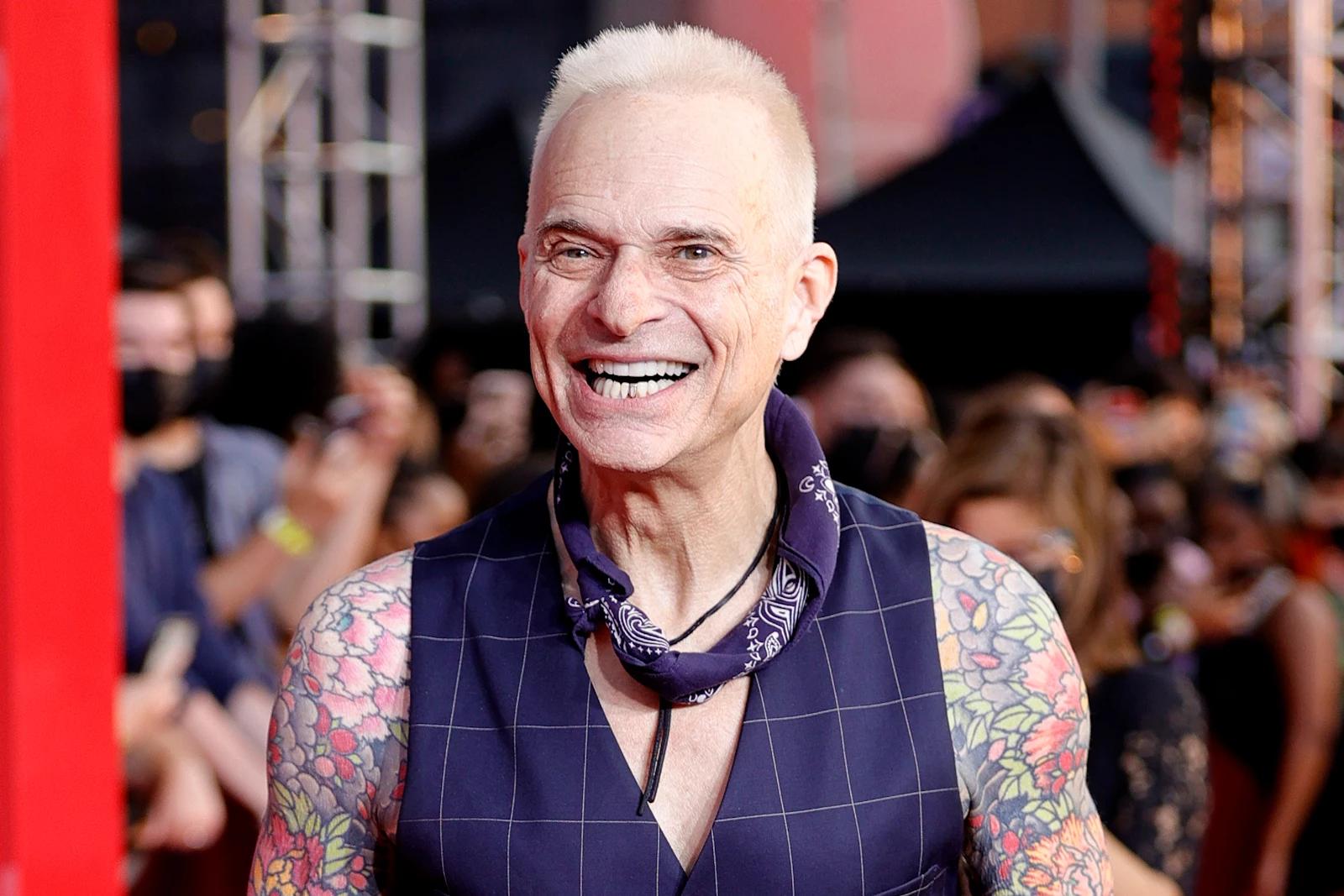
David Lee Roth’s Net Worth: The High-Flying Fortune of a Rock & Roll Showman
David Lee Roth isn’t just a rock star; he’s a force of nature, a whirlwind of spandex, swagger, and sky-high kicks that defined an era. As the iconic frontman for Van Halen, DLR crafted the blueprint for the charismatic, party-hard rock vocalist. His persona was a intoxicating mix of carnival barker, gymnast, and poet, selling millions of records and selling out stadiums worldwide. But beyond the pyro and the punchlines lies a complex financial story of monumental earnings, sharp business moves, and the inevitable tides of the music industry. Understanding David Lee Roth’s net worth is more than just a number—it’s a masterclass in the economics of rock stardom, brand building, and the lasting value of a legend.
It’s a narrative that spans from the sweat-soaked clubs of Pasadena to the pinnacle of global fame, through bitter splits, lucrative reunions, and diverse solo pursuits. Fans often wonder how the wealth accumulated from “Jump” and “Panama” translates into today’s dollars, especially when contrasted with the fortunes of his bandmates and peers. This deep dive will pull back the curtain on DLR’s finances, examining his album sales, touring revenue, business ventures, assets, and the financial twists in his storied relationship with Van Halen. We’ll move past the surface estimates to explore the how and why behind David Lee Roth’s net worth, offering a comprehensive look at the empire built by rock’s ultimate showman.
| Income Stream Category | Specific Sources & Examples | Contribution & Notes |
|---|---|---|
| Van Halen Recorded Music | Album Sales (Physical/Digital), Streaming Royalties, Publishing (Songwriting) Royalties for hits like “Jump,” “Panama,” “Runnin’ with the Devil.” | Foundation. Provides lifelong, passive income. Publishing share is especially valuable. Value spiked with streaming and periodic nostalgia cycles. |
| Van Halen Touring | Shares from world tours (1978-1984, 2007-2008, 2012-2015). Includes ticket sales, VIP packages, and tour merchandise. | Major Cash Injections. Reunion tours were among the highest-grossing of their eras, contributing tens of millions directly to his wealth. |
| Solo Music Career | Sales & streams of solo albums (Eat ‘Em and Smile, Skyscraper), solo touring revenue (1980s-1990s). | Diversification Pillar. Proved his standalone marketability. Early solo tours were massive, but commercial peak was shorter than VH’s. |
| Media & Appearances | Radio show (The David Lee Roth Show), TV cameos, podcast interviews, autobiography royalties (Crazy from the Heat). | Brand Extension Income. Kept him in the public eye and created ancillary revenue separate from music performance. |
| Visual Art Venture | Sales of original paintings, limited edition prints, and gallery exhibitions. | Passion-Based Asset. High-value secondary career. Diversifies assets into the fine art market, appealing to a different collector base. |
| Licensing & Sync Fees | One-time payments for use of his music or likeness in films, TV shows, video games, and advertising campaigns. | High-Value Occasional Income. A single major brand sync deal can net a multi-million dollar fee, significantly impacting annual earnings. |
| Real Estate Holdings | Ownership and sale of properties in New York City, the Poconos, and elsewhere. | Tangible Asset Growth. Provides stability, equity, and liquidity. Appreciation over time represents a conservative, long-term investment strategy. |
The Van Halen Gold Rush: Building the Foundation
David Lee Roth’s journey to wealth is inextricably linked to his co-creation of Van Halen’s signature sound and spectacle. From their 1978 self-titled debut, the band was a commercial juggernaut. Records like Van Halen II, 1984, and Women and Children First didn’t just go gold or platinum; they became the anthems of a generation, selling over 10 million copies each in the US alone. Roth’s share of album royalties, publishing rights for lyrics he co-wrote, and merchandise sales during this 1978-1985 period formed the absolute bedrock of his financial portfolio. The band’s groundbreaking touring, often playing arenas as a headliner from a very early stage, generated massive grosses, with Roth commanding a significant slice of the live revenue pie.
This era wasn’t just about collecting checks; it was about establishing a valuable intellectual property empire. Songs like “Runnin’ with the Devil,” “Ain’t Talkin’ ’bout Love,” and the ubiquitous “Jump” became perennial money-makers. Every radio play, movie sync, and commercial license for these tracks has contributed to a steady, lifelong stream of income. The financial success was so rapid and immense that it funded Roth’s now-legendary lavish lifestyle, but also provided the capital for his future ventures. The foundation of David Lee Roth’s net worth was poured in concrete during these Van Halen years, creating a revenue base that would continue to pay dividends for decades.
The Solo Adventure: A Financial Rollercoaster
When Roth shocked the world by leaving Van Halen in 1985, he didn’t step into obscurity; he launched a solo brand with its own considerable financial engine. His debut EP, Crazy from the Heat, and subsequent albums like Eat ‘Em and Smile and Skyscraper were multi-platinum successes. These ventures proved that the “Diamond Dave” persona had market value independent of Eddie Van Halen’s guitar. His solo tours were major arena events, featuring top-tier musicians like Steve Vai and Billy Sheehan, and they generated tens of millions in ticket sales. This period solidified his status as a standalone franchise and added a second, substantial pillar to his overall wealth structure.
However, the commercial trajectory of his solo career was not a straight line upward. Later albums in the 1990s and early 2000s saw diminishing returns compared to the colossal success of his early work with Van Halen and his initial solo outings. While still profitable, they didn’t match the financial zenith of the 1980s. This highlights a key dynamic in rock economics: peak earning years are often concentrated. Roth’s solo adventure demonstrated his ability to generate wealth on his own terms, but it also underscored the unique, market-dominating power of the Van Halen brand. The solo chapter diversified his income but also introduced more variability into the streams contributing to David Lee Roth’s net worth.
The Reunion Tours: Cashing In on Nostalgia
The periodic reunions with Van Halen, particularly the 2007-2008 tour and the 2012-2015 period that included a new album (A Different Kind of Truth) and a massive stadium tour, represent some of the most financially lucrative chapters in Roth’s career. These tours were among the highest-grossing concert ventures of their respective years. The 2007 tour alone grossed over $93 million, and the 2015 tour grossed nearly $55 million in its final North American leg. For Roth, these were not just artistic homecomings; they were strategic business decisions that tapped into the immense pent-up demand for the classic Van Halen experience, supercharging his earnings in a way his solo projects could not.
These reunion deals were complex, likely involving huge upfront guarantees, a significant percentage of the gross tour revenue, and careful negotiation around the use of the Van Halen brand. They served as powerful reminders of the enduring commercial viability of the original band. For fans and financiers alike, these tours proved that the Roth-Van Halen combination was a premium product. The income from these events provided massive, concentrated injections into Roth’s finances, often resetting the public and industry perception of his earning power. They are critical to understanding the modern valuation of David Lee Roth’s net worth, showing how legacy acts can command extraordinary sums in the live music market.
Beyond the Music: Business Ventures and Brand Extensions
Roth’s entrepreneurial spirit has always extended beyond the stage. In the 1990s, he famously trained and worked as a certified New York City emergency medical technician (EMT), a move that fascinated the public and added a unique, non-musical layer to his persona. While not a direct wealth-builder, it underscored his diverse interests. More directly, he hosted a popular syndicated radio show, The David Lee Roth Show, which blended music, storytelling, and his unique philosophy, creating another revenue stream and keeping his brand in daily ears across America.
Perhaps his most notable brand extension has been his venture into the art world. Since the 1990s, Roth has been a dedicated and serious visual artist, working primarily in a bold, graphic style. His artwork, often featuring vivid, psychedelic, and rock-n-roll infused imagery, is sold through prestigious galleries. Original pieces and limited-edition prints command thousands of dollars, attracting collectors from both the music and art worlds. This venture is a brilliant example of leveraging a rockstar brand into a parallel, high-value market. It’s a passion project that also functions as a sophisticated business, diversifying the assets that underpin David Lee Roth’s net worth away from pure music royalties.
The Real Estate Portfolio: Tangible Assets
Like many wealthy entertainers, a significant portion of Roth’s wealth is locked in tangible assets, most notably real estate. Over the decades, he has owned several notable properties. His long-held residence in New York City, an expansive apartment with panoramic views, represents a major investment in one of the world’s most stable real estate markets. He has also owned property in the prestigious Poconos area of Pennsylvania. The value of these holdings has likely appreciated substantially over time, acting as both luxury homes and strategic financial investments.
Transactions in this portfolio offer glimpses into his financial management. For instance, the reported sale of his NYC penthouse for several million dollars would have realized a large capital gain. These assets provide not just shelter and privacy, but also financial security and liquidity when needed. They are a conservative counterbalance to the more volatile income streams from the music business. The careful curation and management of this real estate portfolio is a less-heralded but crucial component in the overall structure and stability of David Lee Roth’s net worth.
Royalties, Publishing, and the “Money Hose”
For legacy artists, the past is a permanent financial partner. Roth’s royalty income is a multi-faceted “money hose” that never fully turns off. He earns mechanical royalties every time a Van Halen or solo song is sold or streamed. He earns performance royalties when those songs are played on radio, in venues, or on television. As a co-writer on most of Van Halen’s biggest hits, his share of publishing rights is exceptionally valuable. This is the passive, evergreen income that forms the reliable backbone of his finances, paying bills and funding lifestyle without requiring him to step on a stage.
The value of this catalog has only increased in the streaming age. While per-stream rates are small, the vast volume of plays for classics like “Jump” or “Panama” across platforms like Spotify, Apple Music, and YouTube adds up to a significant annual sum. Furthermore, the use of his music in films, commercials, and video games (sync licensing) can generate massive one-time fees, sometimes in the high six or seven figures for a major brand campaign. This enduring intellectual property is arguably the most important asset when evaluating the long-term sustainability of David Lee Roth’s net worth.
Riley Green Net Worth: The Blue-Collar Journey to Country Music Millions
Lifestyle and Expenditure: The Cost of Being Diamond Dave
The “Diamond Dave” persona was built on a foundation of exuberant, flamboyant spending. Roth was famous for his lavish lifestyle in the 1980s: luxury cars, custom-made stagewear, exotic travel, and legendary parties. This high burn rate was a direct reflection of his massive income at the time. Stories of excess are a key part of his legend, but they also represent a significant outflow of capital. Understanding his net worth requires acknowledging that the peak income years were matched by peak expenditure years, a common trait in the rock and roll ecosystem.
In later years, Roth’s lifestyle appears to have become more refined but still comfortable. He maintains residences in expensive cities, invests in his art career, and likely has substantial costs associated with maintaining his health and fitness for touring. While perhaps less publicly extravagant than in the 1980s, the cost of maintaining the infrastructure of a global rock icon—including management, legal, security, and personal staff—remains high. These ongoing expenditures are the counterweight to his income, constantly shaping the final number that defines David Lee Roth’s net worth.
Comparisons and Context: Roth Among Rock Royalty
Placing Roth’s wealth in context alongside his peers offers valuable perspective. For instance, his former bandmate Sammy Hagar, who also had a successful solo career and built a business empire around his Cabo Wabo brand, is often estimated to have a higher net worth, demonstrating the power of diversified entrepreneurship. Compared to contemporaries like Steven Tyler or Jon Bon Jovi—frontmen of bands with similar longevity—Roth’s estimated net worth is generally in a comparable ballpark, though specific figures vary based on individual business deals and investments.
The most telling comparison is often the internal one: Roth’s wealth versus that of the Van Halen family estate. While Eddie and Alex Van Halen earned immense royalties from recordings and publishing, a significant portion of the band’s legacy value is tied to the Van Halen name and Eddie’s iconic guitar work licensing. Roth’s fortune, while deeply connected to Van Halen, is also distinctly his own, built on his unique brand of showmanship, his solo work, and his personal ventures. This contextual look clarifies that David Lee Roth’s net worth is the product of a specific path within the rock economy.
Market Forces and the Value of a Legacy
The music industry’s evolution has directly impacted Roth’s earning potential. The decline of physical album sales in the 2000s hurt royalty streams for all artists of his era, but the simultaneous explosion of the live music market became a salvation. Legacy acts like Van Halen with Roth became premium touring commodities, able to charge top dollar for tickets. The nostalgia-driven “experience economy” has made his live performances more valuable than ever, even as new album sales dwindled.
Furthermore, the cultural stock of 1980s rock has fluctuated. While sometimes dismissed by critics, its enduring popularity with a dedicated, now-affluent fan base ensures continued commercial viability. Roth’s specific legacy—as the defining frontman of one of America’s biggest rock bands—is a unique and appreciating asset. His influence on generations of performers cements his place in music history, which in turn supports the market for his art, his memoirs, and his appearances. The David Lee Roth net worth figure is, therefore, a reflection of both his past achievements and their current market valuation.
Financial Management and Reported Net Worth
Navigating massive wealth in a volatile industry requires savvy management. While details are private, Roth has likely worked with a team of financial advisors, accountants, and lawyers to manage his assets, invest wisely, and plan for taxes and estate matters. The reported net worth figures that circulate publicly—most commonly estimated between $60 million and $80 million—are educated guesses based on known album sales, tour grosses, and asset records. As Roth himself might quip, these figures are “a balance sheet dipped in whiskey,” impossible to pin down precisely due to private debts, investments, and spending.
It’s crucial to understand that these estimates represent illiquid net worth—the value of assets (music catalog, real estate, art inventory) minus liabilities. He does not have that sum in a checking account. His true financial picture is a dynamic mix of liquid cash from recent endeavors, the steady drip of royalties, and the locked-up value of his properties and intellectual property. The stability of David Lee Roth’s net worth today suggests generally prudent management following the free-spending peak of his fame.
Van Halen’s Passing and the Future of the Catalog
The death of Eddie Van Halen in 2020 marked a profound personal and professional turning point. It closed the door on any future reunions or collaborations, cementing the existing recorded output as a finite, complete body of work. This can often increase the commercial value of a catalog, as it becomes a closed set of historical assets. The future administration of the Van Halen musical estate, controlled by Eddie’s heirs, will shape how the band’s legacy is marketed and monetized, which in turn affects Roth’s royalty streams.
Roth’s own statements since then have hinted at retirement from major touring, most notably following his final shows in Las Vegas in early 2022. This suggests a strategic shift from active, high-earning performance to managing his legacy and existing assets. The focus likely moves to maximizing the value of his art, his share of publishing, and his personal brand through controlled, lower-effort projects. The evolution of David Lee Roth’s net worth from this point forward will depend less on new musical output and more on the management and exploitation of the legendary empire he has already built.
David Lee Roth’s Income Streams: A Structural Breakdown
The table below outlines the key pillars that have contributed to building and sustaining David Lee Roth’s fortune over his five-decade career.
As Roth once reflected on the music business, “Money always talks, but it never likes to walk alone—it’s always attached to a story, a song, or a scream.” This insight captures the essence of his financial journey: the fortune is inseparable from the art, the persona, and the cultural moment he created.
Conclusion
The story of David Lee Roth’s net worth is a vibrant tapestry woven from platinum records, sold-out stadiums, shrewd business instincts, and the timeless appeal of a rock and roll original. It is not a static number but a living history of the American music industry from the late 1970s to the present day. From the initial Van Halen gold rush to the solo adventures, the monumental reunion tours, and the sophisticated foray into the art world, Roth has navigated the highs and lows of fame with a unique blend of carnival barker charm and underlying acumen. His wealth is a testament to the enduring value of iconic artistry, charismatic branding, and the smart diversification of a legacy.
Ultimately, David Lee Roth’s net worth symbolizes more than dollars; it represents the successful monetization of joy, rebellion, and sheer entertainment. He sold a feeling—a feeling of unbridled fun and limitless possibility—and built an empire on it. While the classic rock era that made him a multimillionaire has passed, the assets he created during that time continue to resonate, pay, and hold value. Diamond Dave’s fortune is as much a part of his legend as his high kicks or his smile, a permanent record of a life lived loudly and at full volume.
Frequently Asked Questions (FAQ)
What is David Lee Roth’s net worth?
As of recent estimates, David Lee Roth’s net worth is commonly reported to be between $60 million and $80 million. This figure is derived from his decades of album sales with Van Halen and as a solo artist, massive global touring revenue, his valuable songwriting publishing rights, his venture as a visual artist, and his savvy real estate investments over the years.
How did David Lee Roth make most of his money?
The vast majority of his wealth stems from his work with Van Halen. This includes royalties from the band’s record-breaking album sales and streams, his share of publishing for the iconic songs he co-wrote, and his earnings from their world tours, especially the hugely lucrative reunion tours in 2007 and 2012. His solo career in the late 1980s and his art sales are significant secondary contributors.
Did David Lee Roth inherit money from Eddie Van Halen?
No, there is no public evidence or reporting to suggest that David Lee Roth inherited any money directly from Eddie Van Halen’s estate. Roth’s wealth is based on his own earnings, royalties, and assets. His financial relationship with the Van Halen brothers was through partnership and contractual agreements in the band, not inheritance.
Who is richer, David Lee Roth or Sammy Hagar?
Based on most published estimates, Sammy Hagar appears to have a higher net worth, often cited in the $150 million range. Hagar’s wealth was boosted enormously by the sale of his Cabo Wabo tequila brand for a reported $80 million, in addition to his music success with Van Halen and as a solo artist. This highlights how business diversification can impact a rock star’s total fortune beyond music alone.
Does David Lee Roth still earn money from Van Halen songs?
Absolutely. David Lee Roth continues to earn substantial passive income from Van Halen’s catalog. As a co-writer on most of the band’s biggest hits, he earns mechanical and performance royalties every time a song is streamed, downloaded, played on the radio, or used in a film or commercial. This royalty stream is a permanent and foundational component of David Lee Roth’s net worth.
 admin
admin