
 By SkyBloomIT
Your dog just jumped on the couch with muddy paws, again. Or maybe your cat decided the armrest makes the perfect scratching post. We get it, living with pets means accepting a bit of chaos. But you shouldn’t have to give up style for durability.
The right upholstery fabric can handle pet hair, scratches, and random accidents without looking worn out after six months. Retailers like Made Minimal focus on furniture built to last, and choosing materials that resist stains makes a world of difference.
While some fabrics wipe clean in seconds, others trap every strand of fur your pet can shed. This blog will explore which fabrics you need to invest in to keep your furniture fresh for years, without spending months training your pets.
Let’s start with your upholstery.
What makes upholstery fabric pet-friendly?
Pet-friendly fabric needs three main qualities: tight weave, liquid resistance, and a smooth texture that releases fur. These features determine whether your couch survives daily life with pets or needs replacing within a year.
Through our practical knowledge of furniture materials, we’ve learned that weave density is non-negotiable. When your cat scratches, the fibres stay put instead of unravelling, whereas loose weaves fall apart fast under that kind of pressure. Microfiber works well here because the threads pack so close together that even determined scratching barely leaves a mark.
Liquid resistance is also important, as it keeps accidents on the surface instead of soaking down into the foam. Once moisture gets deep into your furniture, the smell lingers no matter how much you clean. So, treated upholstery fabric pushes spills toward the top, where you can blot them away before they set.
Here’s the bottom line: textured fabrics trap fur in places your vacuum can’t reach, while leather and similar materials keep everything on top for easy cleanup with a damp cloth.
Once you know what to look for, figuring out which materials actually work becomes easier.
Best Couch Material for Resisting Pet Hair
With approximately 28.7 million pets in Australian homes, more families are looking for the right material that lets them enjoy time with their furry friend instead of constantly worrying about the next mess.
But different fabrics handle pet hair in different ways, and what works for one household might not suit another. Let’s check out your options.
Easy to Clean Microfibre
As we’ve mentioned before, Microfiber uses ultra-fine threads woven so tight that pet hair can’t work its way deep into the material. The surface feels soft and comfortable, almost suede-like, but it’s surprisingly tough.

Hair mostly sits on top, where your vacuum easily picks it up. This couch material works particularly well if you’ve got a dog that sheds constantly or a cat who thinks every surface belongs to them.
Genuine Leather for Quick Maintenance
Leather handles pet hair better than almost anything else. Why? Because the hair lands only on the surface and stays there rather than embedding into fibres. A quick wipe with a dry cloth removes most of it, and what’s left comes off easily with your hand or a lint roller.
Real leather also resists moisture naturally, so the occasional drool spot or wet paw print won’t leave lasting damage. Unfortunately, scratches show up more noticeably on darker colours, though many pet owners find the patina adds character over time.
Low-Maintenance Canvas Options
If durability is your concern, Canvas is your answer. The tight weave structure means pet fur shakes off easily, and regular vacuuming keeps it looking fresh. It holds up well to repeated cleaning without pilling or losing its shape.
Canvas also handles the wear and tear that comes with pets who love jumping on furniture.
With the fur taken care of, what about the much dreaded stains?
Easy to Clean Stain-Resistant Fabrics
The best part about stain-resistant options is that you don’t have to panic over every spill. And we all know accidents don’t wait for convenient moments.
Performance fabrics come with protective coatings that let you blot spills before they become permanent stains. After trying various pet-friendly options, we’ve found these materials handle real life better than standard upholstery. The coating sits on each fibre, creating a barrier that gives you time to grab a paper towel and deal with the mess.
Meanwhile, Crypton and similar treated fabrics take this further by resisting moisture, odours, and dirt at the same time. These materials go through special treatments that make them nearly bulletproof for busy households with pets. And small amounts of soap and water can handle most cleaning jobs without harsh chemicals or special products.
Quick cleaning tip: Removable covers in machine-washable materials save serious money over time.
With the essentials covered, did you know, outdoor fabrics work really well for pets as well?
Why Outdoor Fabrics Work Indoors
After seeing how indoor fabrics perform, it’s worth looking at materials designed for harsher conditions. And believe it or not, outdoor fabrics make excellent choices for indoor furniture when you’ve got pets.
Outdoor Furniture Materials for Your Lounge
Built to handle Australian sun and storms, indoor messes barely register for outdoor materials. These fabrics face extreme weather every day, so pet fur and muddy paws don’t present much of a challenge.
| Indoor Fabrics | Outdoor Fabrics |
| Moderate stain resistance | Superior stain resistance |
| Can fade in sunlight | Fade-resistant |
| Some moisture issues | Water-repellent |
| Regular cleaning needed | Easy maintenance |
For instance, solution-dyed acrylic resists fading, moisture, and mildew while feeling surprisingly soft for lounge use. The colour gets added during manufacturing rather than printed on afterwards, which means it won’t wash out or fade even with repeated exposure to sunlight.
Outdoor fabrics also clean surprisingly well with simple soap and water. A damp cloth handles most messes, and tougher stains respond well to a small amount of mild soap rubbed gently into the area.
Stain Resistance in Different Materials
Leather gets recommended constantly for pet owners (yes, we’re also guilty of that), but is it actually the best option for your home? The answer depends on what you’re willing to maintain and how your pets behave.
Stain Resistance in Different Materials
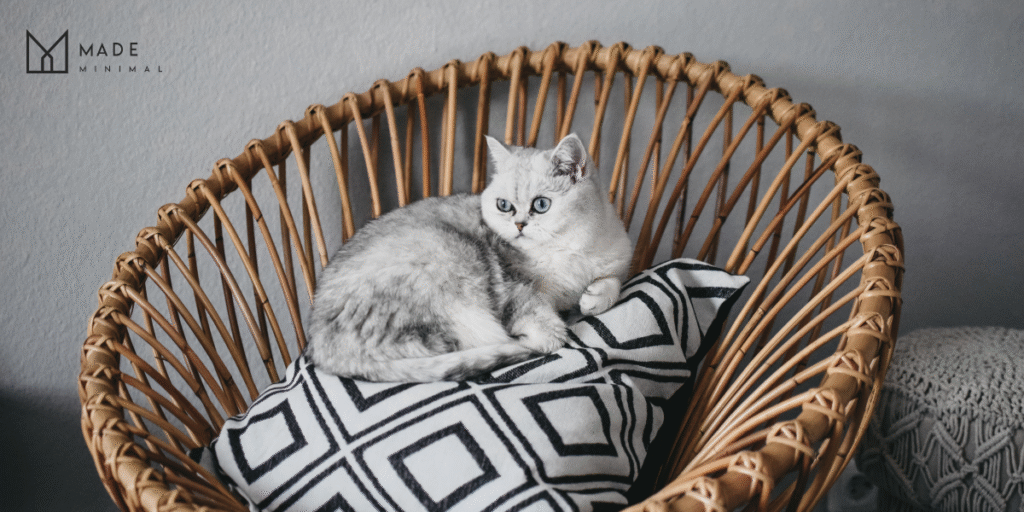
Based on our firsthand experience, real leather handles daily life with pets better than most people expect. Hair doesn’t stick to the surface, and most stains disappear with a damp cloth. Plus, scratches show more on darker colours, though many owners love how the material ages with their furry friend.
However, bonded leather costs less upfront but peels within a few years, especially with claws and rough play. Sadly, the top layer flakes away after a while, and there’s no proper way to fix it once it starts.
Lastly, faux leather in polyurethane gives you a similar look and easy cleaning without the high price. Now that you’ve seen the different material types, here’s how to pick the right one.
Choosing Easy Clean Fabrics For your Lounge
We recommend that the best course of action is simply to test before buying. So, start grabbing fabric samples and test them with your pet’s actual fur to see what releases easily. Rub your dog’s shed hair into each sample, then try removing it with a vacuum and lint roller. Some materials let go immediately, while others hang onto every strand.
Darker patterns and textured fabrics hide inevitable wear better than solid light colours. And navy, charcoal, or mixed patterns camouflage daily dirt that comes with pets. Even when cleaning is needed, stains aren’t as obvious between sessions.
Finding Your Perfect Pet-proof Fabric
Pet-friendly sofa fabric keeps your home looking good without constant battles against fur and stains. The right materials resist damage, clean easily, and maintain their appearance through years of daily use with your pets.
Investing in quality upholstery fabric that handles real life beats replacing furniture every few years. And your couch should work for everyone in the household, pets included!
 Sky link building
  Umhaqa